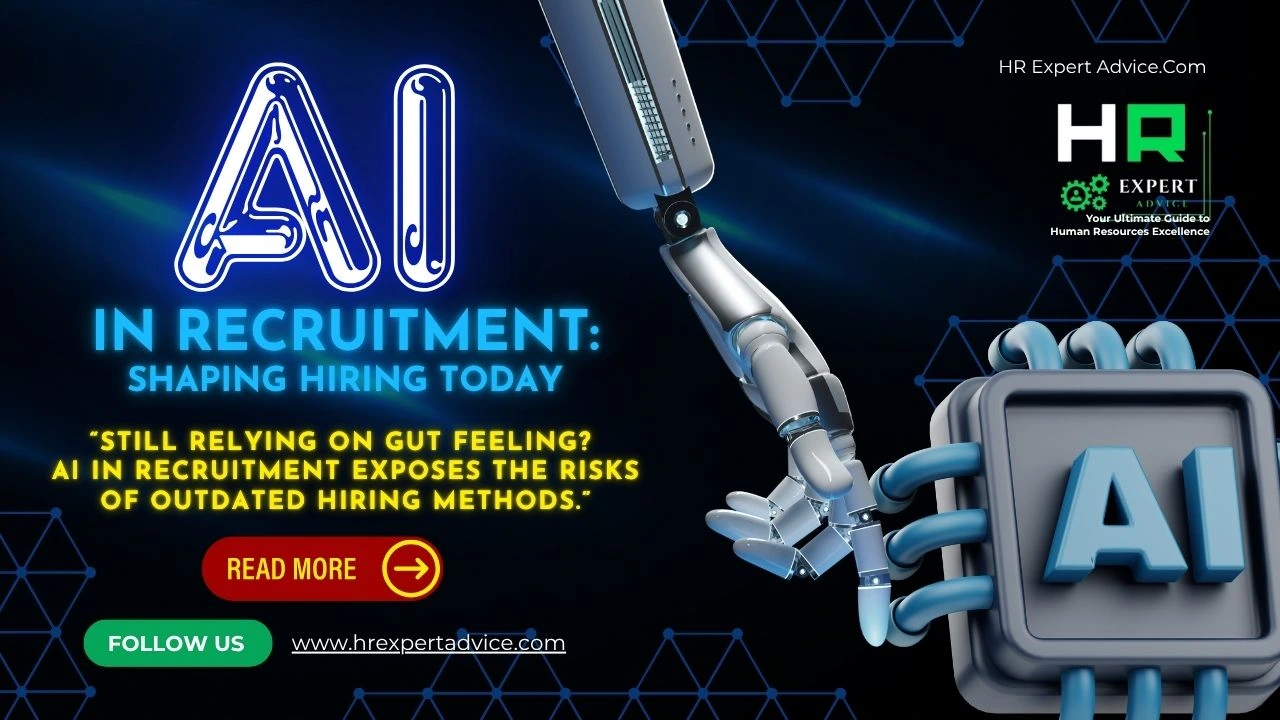
Hiring has always been time-consuming. But with AI tools, recruiters can speed up
processes and reduce bias.
Let’s face it—HR has changed. Gone are the days when everything was tracked on
spreadsheets or filed away in dusty cabinets. Today, Artificial Intelligence (AI)
is not just a buzzword. It’s steadily reshaping how HR departments work—more quietly
than you’d expect, but more powerfully than ever.
Whether you’re handling HR for a company or studying to enter the field,
understanding where AI fits into HR isn’t optional anymore. It’s vital.
What is Artificial Intelligence in HR?
AI in HR refers to software and systems that simulate human intelligence—such as
pattern recognition and decision-making—to support HR functions. This includes:
Hiring and Recruitment
Employee Onboarding
Employee Engagement
Learning & Development
Predictive Workforce Planning
Here’s how AI works in the real world.
1. Smarter Recruitment with AI
Hiring has always been time-consuming. But with AI tools, recruiters can speed up
processes and reduce bias.
Example
Platforms such as HireVue and Pymetrics use algorithms
to evaluate recorded video interviews. They analyze language, expressions, and tone
to assess a candidate’s potential fit.
AI also streamlines resume screening. LinkedIn Recruiter suggests top
profiles based on job descriptions.
Result
Hiring managers can save up to 50% of their time while improving
candidate quality.
2. Onboarding: No More First-Day Chaos
AI chatbots now help new hires complete formalities like submitting documents,
accessing training content, and understanding company policies.
Digital HR assistants can also offer:
Virtual office tours
Policy briefings
Training guidance
24/7 employee support
Benefit
Employees feel less overwhelmed and more connected from the very beginning.
3. Listening to Employees with AI
Retention starts with listening. AI tools like Glint and
Culture Amp collect anonymous employee feedback, analyze results,
and provide HR teams with mood and sentiment trends.
Scenario
If morale within a team starts dropping, HR receives a real-time alert, allowing
them to act before resignations increase.
4. Learning Gets Smarter
Training is no longer one-size-fits-all. AI-powered learning platforms such as
EdCast and Coursera for Business recommend courses
based on individual roles, skills, and career aspirations.
Why It Works
Personalized learning paths
Relevant course recommendations
Improved employee development
Better use of training budgets
5. Forecasting Future HR Needs
AI helps organizations predict future workforce requirements by analyzing:
Attendance records
Productivity data
Employee surveys
Performance trends
It can predict employee attrition, recommend better work schedules, and even
highlight teams that may require restructuring.
This allows HR teams to take proactive action rather than reacting after problems occur.
Human Insight Still Matters
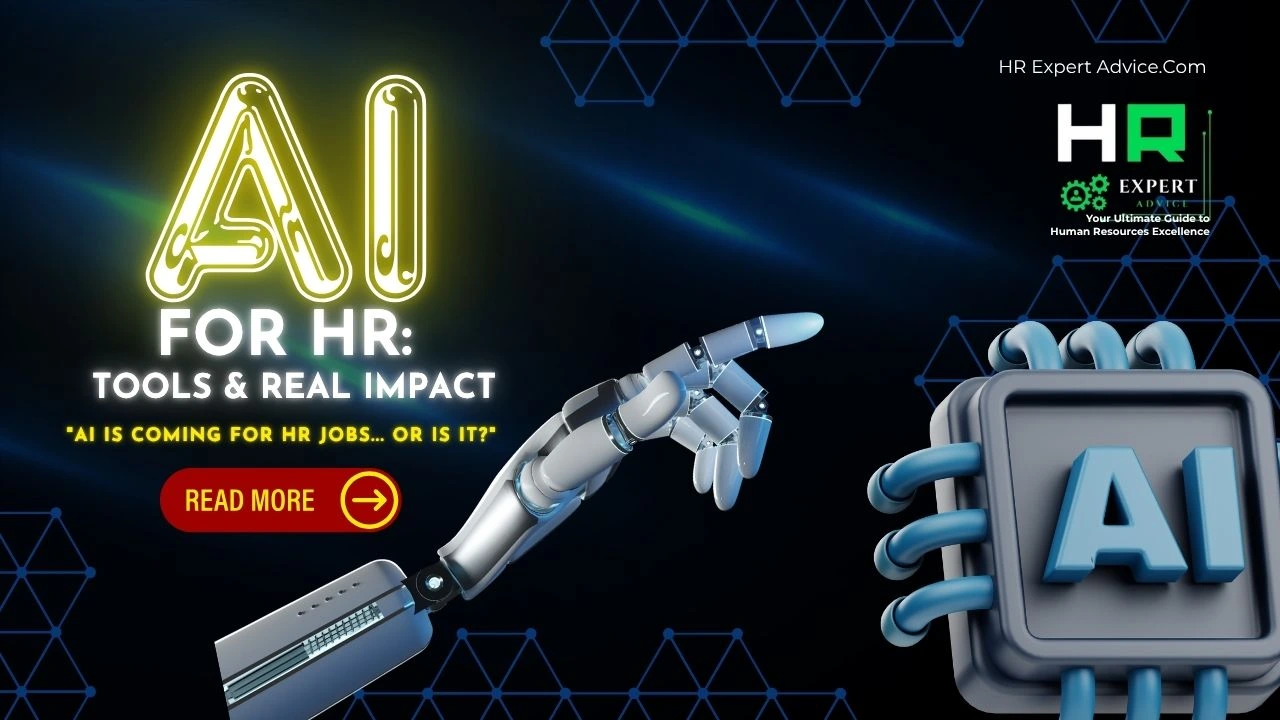
AI assists HR professionals—it does not replace them.
Its purpose is to eliminate repetitive administrative work so HR professionals
can focus on what truly matters: people.
Featured Quote
“AI won’t replace HR professionals. But HR professionals who use AI will replace those who don’t.”
— Josh Bersin
Want to Get Started? Try These Steps
Begin with a Pilot Project
Start by implementing AI recruitment tools.
Test Free Plans or Demos
Platforms like Zoho Recruit are beginner-friendly.
Watch Explainer Videos
Follow YouTube channels such as Josh Bersin Academy and
People Matters.
Train Your HR Team
Encourage employees to complete short courses on
Coursera or Udemy.
Stay Compliant
Ensure any AI tool complies with privacy regulations and labour laws.
Watch Video
Wrapping Up: Make AI Your Ally, Not a Threat
AI isn’t just about automation. It’s about insight, speed, and smart
decision-making. The goal is to work better—not harder.
If you’re an HR professional, begin by asking:
“What part of my workflow can AI simplify?”
If you’re a student, explore AI tools during internships. You don’t need to be
a tech wizard—you simply need to stay curious and open to learning.
Take one small step into AI today, and let that become your biggest leap
forward tomorrow.
Frequently Asked Questions (FAQs)
Q1. What is Artificial Intelligence in HR?
AI in HR means using intelligent software to improve hiring, training,
retention, workforce planning, and employee experience.
Q2. How can AI reduce employee turnover?
AI identifies patterns that may indicate employee disengagement, allowing HR
teams to intervene before employees decide to leave.
Q3. Is AI going to replace HR professionals?
No. AI automates repetitive tasks, allowing HR professionals to focus on
strategy, leadership, and employee relationships.
Q4. Are there any free AI tools for HR?
Yes. Popular options include ChatGPT,
Zoho Recruit, and LinkedIn’s basic recruiter features.
Q5. How can I learn more about AI in HR?
Watch HR technology webinars, enroll in online courses on
Coursera or Simplilearn, and follow HR
experts on YouTube
.